
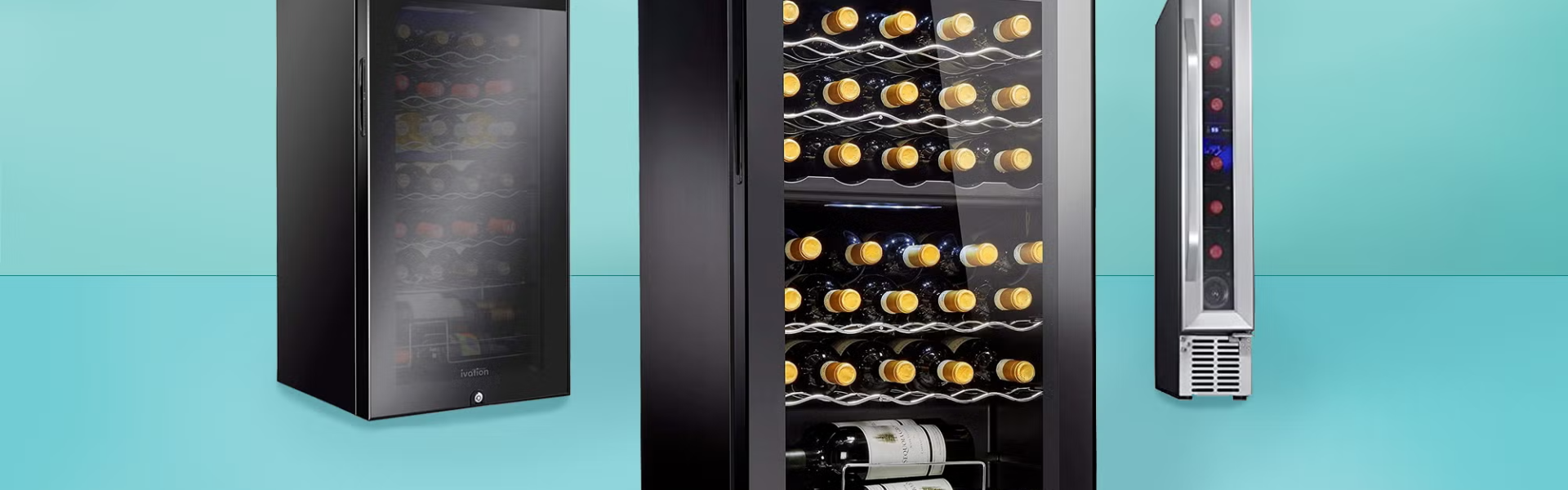

When selecting a wine cooler, understanding its size and storage capacity is essential to ensure it meets your needs. Wine coolers come in various dimensions and capacities, designed to accommodate different quantities of bottles while fitting into specific spaces within your home or commercial setting. The size of a wine cooler generally refers to its external measurements-height, width, and depth-which determine where the unit can be placed. Storage capacity indicates how many standard wine bottles the cooler can hold, often measured in terms of 750ml bottles.
Wine coolers vary widely in size from compact countertop models holding as few as six to twelve bottles up to large freestanding units that can store over 100 bottles. Smaller models are ideal for casual drinkers or those with limited space, providing enough room for everyday consumption without occupying much room. Larger units suit collectors or enthusiasts who require extensive storage options for aging wines or maintaining a diverse collection at optimal temperatures.
Capacity is influenced not only by the overall volume but also by internal design features such as shelving style and bottle arrangement. Some coolers use traditional horizontal racks allowing each bottle to rest on its side, which helps keep corks moist and preserves wine quality. Others incorporate adjustable shelves or sliding trays that maximize space efficiency by accommodating different bottle shapes and sizes like magnums or champagne bottles.
When evaluating storage capacity, it’s important to consider how you plan to organize your collection. If you primarily store standard Bordeaux-style bottles, most manufacturers list capacity based on this type since these are common sizes used as benchmarks. However, if your collection includes larger formats or uniquely shaped bottles, effective storage might be reduced due to varying dimensions affecting rack compatibility.
Additionally, some wine coolers offer dual-zone temperature control systems enabling separate compartments set at distinct temperatures suitable for red and white wines respectively. These units may have divided storage areas with individual capacities contributing to the total number of stored bottles but requiring attention when calculating overall space requirements.
Beyond physical dimensions and bottle count, ventilation clearance should be factored in during installation planning because some models need extra surrounding space for proper airflow and cooling efficiency. Built-in wine refrigerators typically require precise measurements matching cabinetry openings while freestanding versions allow more flexibility regarding placement but still demand adequate ventilation around them.
Understanding both size specifications and storage capabilities ensures that users select an appropriate Wine Cooler tailored precisely to their consumption habits and spatial constraints rather than simply choosing based on appearance or price alone. Proper sizing guarantees efficient cooling performance along with convenient access while protecting valuable wines under ideal conditions over time without overcrowding or wasted area inside the unit itself. This balance between form factor and functional volume ultimately enhances user satisfaction through practical usability aligned with personal lifestyle preferences related to wine enjoyment at home or professional environments alike.