
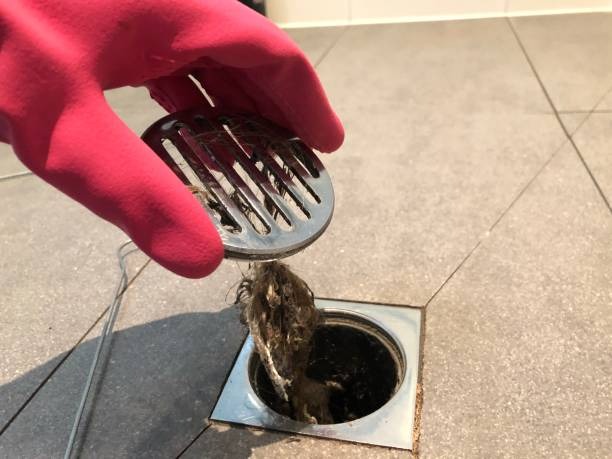

Bathroom drains are essential for maintaining hygiene and convenience, yet they often become clogged due to the accumulation of hair and soap residue. Understanding how these common elements contribute to blockages can help in preventing costly plumbing issues and maintaining a smoothly functioning drainage system.
Hair is one of the primary culprits when it comes to blocked bathroom drains. Whether from shaving, washing one’s hair, or simply shedding naturally, strands accumulate over time within the pipes. Hair is particularly problematic because it tends to tangle and knot together, forming clumps that can easily catch on rough surfaces inside pipes or drain covers. Once a small mass forms, it acts like a net, catching additional debris such as soap scum and other particles that flow down find the answers drain.
Soap residue plays an equally significant role in clogging drains. While soap is designed to clean, many commercial soaps contain fats or oils that do not completely dissolve in water. When mixed with minerals commonly found in tap water—such as calcium and magnesium—these fats form what is known as soap scum. This chalky substance adheres strongly to pipe walls, creating a sticky surface that traps hair strands more effectively than smooth pipe interiors would alone.
Moreover, this combination of hair and soap scum creates an ideal environment for further accumulation of dirt and grime. As more material builds up around these initial blockages, water flow becomes increasingly restricted until eventually leading to a complete blockage if not addressed promptly.
The problem can be exacerbated by personal grooming products such as conditioners or styling gels which add additional oils into the mix; these substances contribute further layers of residue capable of binding even more tightly with existing clogs.
Preventative measures are key in managing this issue effectively: using drain guards can significantly reduce the amount of hair entering pipes by catching loose strands before they have a chance to wash away; regularly cleaning these guards ensures their continued effectiveness without impeding normal drainage function.
Additionally, mindful use of personal care products helps minimize excessive buildup within your plumbing system; opting for biodegradable soaps free from heavy fats may lessen potential obstructions caused by undissolved residues left behind after each shower session ends.
Regular maintenance also plays its part: flushing drains periodically with hot water keeps them clear while dissolving minor accumulations before they harden into stubborn masses requiring professional intervention later on down line—a simple yet effective strategy avoiding unnecessary inconvenience expense alike!
By understanding how hair combined with soapy deposits contributes towards frequent bathroom blockages you’ll be better equipped taking proactive steps ensuring efficient operation throughout entire household infrastructure long term!


