
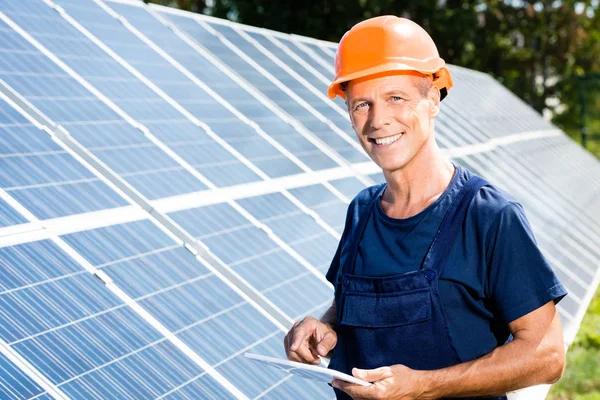

Solar panels have become an essential component for off-grid living solutions, offering a reliable and sustainable source of energy in remote locations. Off-grid living refers to residing independently from public utilities, which means that individuals rely on alternative methods for electricity, water, and waste management. Solar panels harness sunlight and convert it into electricity, making them a popular choice for those seeking energy autonomy without the need for traditional power grids. This technology is particularly beneficial in areas where connecting to the main grid is expensive or impractical.
The primary advantage of solar panels in off-grid settings is their ability to provide clean energy without ongoing fuel costs or emissions. Once installed, solar systems require minimal maintenance and can operate quietly compared to generators powered by fossil fuels. Modern photovoltaic (PV) panels are highly efficient at capturing sunlight and converting it into usable electrical power. Paired with batteries for energy storage, these systems ensure a continuous supply of electricity even during nighttime or cloudy days. Battery capacity plays a crucial role in maintaining power availability during periods when solar generation is low.
Choosing the right size and type of solar panel system depends on several factors including daily energy consumption, geographic location, sun learn more exposure, and budget constraints. It’s important to calculate total wattage needs by assessing appliances’ power ratings and usage hours per day. For instance, powering lights, refrigeration units, communication devices, and water pumps requires different amounts of electricity that must be accounted for accurately to avoid undersizing or overspending on equipment.
Installation considerations include proper placement of panels to maximize sun exposure throughout the year while minimizing shading from trees or structures. The angle at which panels are mounted influences their efficiency; optimal tilt varies depending on latitude but generally aligns with the sun’s path across seasons. Additionally, integrating charge controllers helps regulate voltage levels between solar arrays and battery banks preventing overcharging or damage.
Off-grid solar panel systems often incorporate hybrid components such as wind turbines or backup generators to enhance reliability under varying weather conditions. These supplementary sources provide additional security ensuring uninterrupted power supply during extended periods without sufficient sunlight.
In summary, solar panels offer an effective solution for off-grid living by enabling self-sufficient access to renewable energy resources. Their environmental benefits combined with decreasing costs make them increasingly accessible options worldwide. Proper planning regarding system size, installation site selection, storage solutions alongside potential hybrid integrations contribute significantly toward achieving dependable off-grid electrification tailored specifically to individual needs and lifestyle preferences.