

Water restoration is a crucial process for homes and businesses in Vancouver, especially given the city’s rainy climate and occasional flooding risks. When water damage occurs, whether from burst pipes, storms, or leaks, prompt action is essential to minimize structural harm and prevent long-term issues like mold growth. Understanding the steps involved in water restoration can help property owners respond effectively and protect their investments.
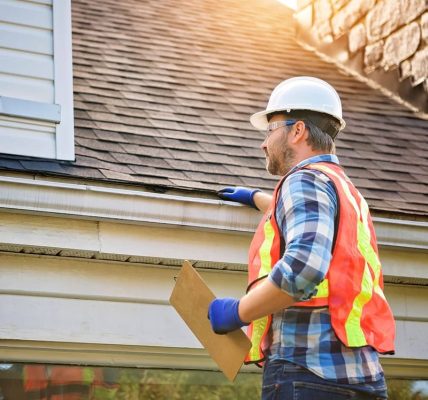
The first step in water restoration involves assessing the extent of the damage. Professionals typically conduct a thorough inspection to identify all affected areas, including hidden moisture behind walls or under floors. This evaluation helps determine the necessary equipment and techniques required for drying and repair. In many cases, specialized moisture meters and infrared cameras are used visit this website to learn more detect dampness that is not visible to the naked eye.
Once assessment is complete, water extraction begins immediately to remove standing water. This stage often requires powerful pumps or vacuums designed for rapid removal of large volumes of water. Quick extraction reduces further absorption by building materials such as drywall, carpet padding, or wooden structures which are highly susceptible to swelling or warping when wet.
After removing excess water, drying and dehumidification become critical components of the restoration process. Industrial-grade air movers circulate warm air throughout affected spaces while dehumidifiers extract moisture from the air itself. Maintaining proper airflow prevents secondary damage such as mold development which thrives in damp environments if left unchecked.
Sanitization follows drying procedures to ensure any contaminants brought in by floodwaters are eliminated safely. Water damage often introduces bacteria or harmful chemicals that pose health risks if not addressed properly during cleanup efforts. Professional restorers apply antimicrobial treatments on surfaces including floors, walls, furniture, and personal belongings depending on contamination levels identified during initial inspection.
Repairing structural elements damaged by prolonged exposure to moisture completes most restoration projects. This phase may involve replacing drywall sections compromised by saturation or reinforcing weakened wood framing members with new materials tailored specifically for durability against future incidents.
For both residential properties and commercial establishments across Vancouver’s diverse neighborhoods-from downtown offices to suburban homes-working with licensed experts ensures compliance with local regulations governing environmental safety standards alongside insurance requirements related to claims processing after disasters occur.
In summary, successful water restoration hinges on timely intervention combining thorough assessment with efficient extraction methods followed by comprehensive drying techniques complemented by sanitization protocols before final repairs restore integrity back into properties impacted by unwanted water intrusion within Vancouver’s unique environment.