
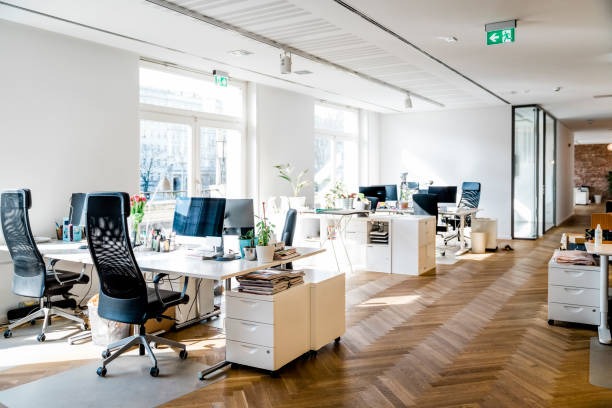

In recent years, the landscape of office design has undergone a significant transformation, reflecting changes in work culture and technological advancements. Modern workspaces are evolving to accommodate new ways of working, emphasizing flexibility, collaboration, and employee well-being. Consequently, office furniture trends have also shifted to meet these emerging needs.
One prominent trend is the rise of ergonomic furniture. With an increasing focus on health and productivity, businesses are investing in chairs and desks that support good posture and reduce strain on the body. Ergonomic chairs with adjustable features allow employees to customize their seating positions for comfort during long hours at their desks. Similarly, sit-stand desks have gained popularity as they offer explore the possibilities flexibility to alternate between sitting and standing throughout the day, promoting better circulation and reducing fatigue.
Another significant trend is modular furniture systems that cater to dynamic work environments. These systems include pieces that can be easily reconfigured or moved around to create different layouts as needed. This adaptability supports collaborative spaces where teams can gather for meetings or brainstorming sessions while also allowing for individual-focused areas when concentration is required.
Sustainability is another driving factor in contemporary office furniture design. Companies are increasingly conscious of their environmental impact and seek furnishings made from eco-friendly materials such as recycled metals or sustainably sourced wood. Additionally, manufacturers are adopting sustainable production practices that minimize waste and energy consumption.
The integration of technology into office furniture has become essential in modern workspaces. Desks equipped with built-in charging ports or wireless charging pads help keep devices powered without cluttering work surfaces with cables. Smart furniture solutions also include features like integrated LED lighting with adjustable brightness levels or sensors that monitor indoor air quality.
Aesthetic appeal remains crucial in creating an inviting workplace environment that reflects a company’s brand identity while fostering creativity among employees. The use of natural elements like wood finishes combined with sleek metal accents creates a harmonious blend between traditional warmth and modern minimalism—an approach known as biophilic design which seeks to bring nature indoors through patterns inspired by natural forms.
Finally, privacy considerations continue influencing new office designs due largely because open-plan offices often lack personal space leading workers feeling exposed hence decreasing productivity levels over time; therefore innovative partitions dividers screens acoustic panels now available provide soundproofing visual separation ensuring individuals maintain focus within shared settings without distractions from surrounding activities thereby enhancing overall efficiency satisfaction amongst staff members alike across various industries today globally speaking making them indispensable components successful workspace strategies moving forward into future developments beyond current expectations already established present-day scenarios seen worldwide today!