
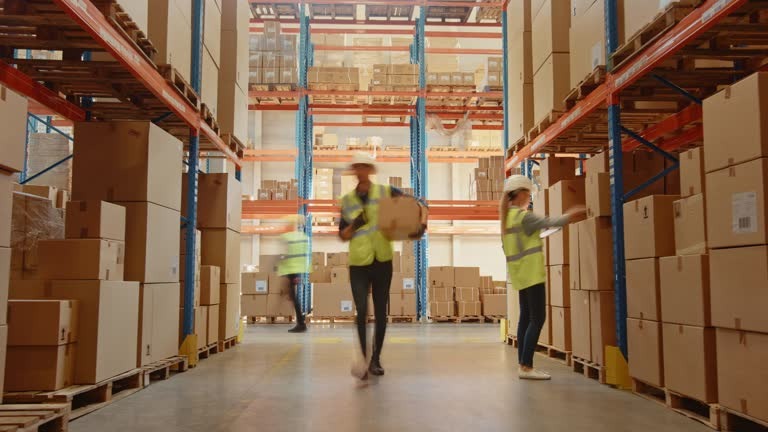

Shipping goods from Canada to the USA has always been an integral part of North American trade, and as we approach 2025, the landscape continues to evolve with new regulations, technologies, and consumer expectations. Businesses and individuals alike need a comprehensive understanding of how cross-border delivery operates in this dynamic environment.
Firstly, it’s crucial to recognize the significance of documentation in cross-border shipping. Proper paperwork ensures smooth transit through customs on both sides of the border. The primary documents include a commercial invoice detailing the nature and value of goods, a certificate of origin if applicable under trade agreements like USMCA (United States-Mexico-Canada Agreement), and potentially an export declaration for larger shipments. Ensuring accuracy in these documents can prevent delays that might arise from customs inspections.
Technological advancements have significantly impacted shipping processes between Canada and the USA. Automated systems now assist with tracking shipments in real-time, providing updates on location and expected delivery times. These systems are integrated into logistics platforms used by major courier services such as UPS, FedEx, DHL, and Canada Post. For businesses looking to streamline operations further, investing in software solutions that automate inventory management and order processing can be beneficial.
Another aspect shaping cross-border shipping is evolving consumer expectations around sustainability. As environmental concerns grow among consumers, there is increasing pressure on companies to adopt eco-friendly practices in their supply chains. This includes using sustainable packaging materials or opting for carbon-neutral shipping options provided by some couriers.
In terms of costs associated with shipping to USA from Canada, several factors come into play including weight dimensions of packages; urgency level – whether it’s standard ground service or expedited air freight; destination within the United States; duties taxes based upon product classifications according tariff codes assigned each item being shipped across borders which may affect total pricing structure involved overall transaction process itself too depending complexity involved therein accordingly so plan budgets carefully ahead time avoid unexpected expenses later down line whenever possible course!